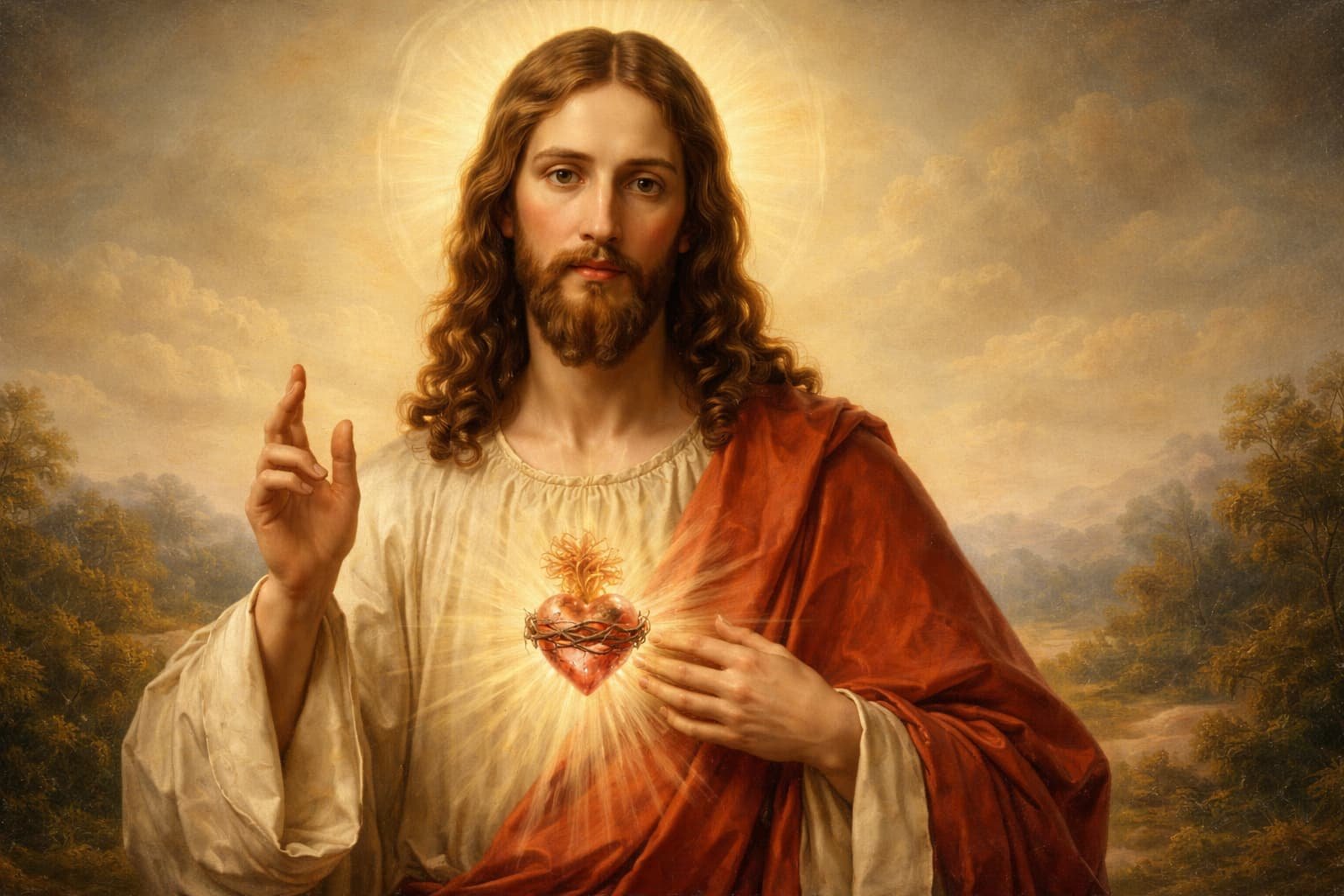
Jesus Christ is the most influential person in human history. For more than two thousand years His life, teachings, death, and resurrection have shaped civilisations, inspired art and literature, transformed individual lives, and formed the foundation of the Christian faith. Yet despite His immense impact, the question still remains for many people today: Who is Jesus?
Some see Him as a great teacher. Others view Him as a prophet or moral reformer. Many admire His ethical teachings but hesitate to accept the claims made about His divine identity. At the same time, billions of Christians around the world believe that Jesus is far more than a teacher or religious leader. They believe He is the Son of God, the Saviour of humanity, and the central figure of God’s plan for the world.
Understanding who Jesus is requires examining history, Scripture, and His own words. It also requires exploring what His life means for humanity today. This article provides a clear and comprehensive explanation of who Jesus is, what He taught, why He came into the world, and why His message continues to transform lives.
Why the Question “Who Is Jesus?” Matters
The question of Jesus’ identity is not simply a matter of historical curiosity. It is a question that shapes how people understand life, morality, purpose, and eternity.
Jesus Himself made statements that demand a response. In the Gospel accounts He repeatedly asked His followers questions about His identity. One of the most important moments occurs when He asked His disciples:
“Who do you say I am?”
This question forced them to confront the truth about His identity. Their answer would determine whether they merely admired Him or truly followed Him.
Even today, every person encounters the same question. Understanding who Jesus is influences:
- A person’s view of God
- The meaning of life
- The nature of truth and morality
- The hope of forgiveness and salvation
- The destiny of humanity
Because of this, exploring the identity of Jesus is one of the most important spiritual journeys a person can undertake.
The Historical Person of Jesus
Before discussing theological claims about Jesus, it is important to recognise that Jesus was a real historical figure.
Most historians, including many who are not Christians, agree on several basic facts about His life.
Historical Evidence for Jesus
Evidence for Jesus comes from both Christian and non Christian sources.
1. The New Testament Gospels
The primary sources for Jesus’ life are the four Gospels:
- Matthew
- Mark
- Luke
- John
These documents describe His birth, ministry, teachings, miracles, death, and resurrection.
They were written within the lifetime of eyewitnesses and are considered some of the most carefully preserved ancient writings in history.
2. Roman Historical Records
Roman historians also mention Jesus. One of the most well known references comes from the Roman historian Tacitus, who wrote about the execution of Jesus during the reign of Pontius Pilate.
3. Jewish Historical References
The Jewish historian Josephus also refers to Jesus in his historical writings about the first century.
These independent references confirm that Jesus was a real person who lived in the first century and was executed by Roman authority.
Basic Facts Most Historians Accept
Many historians agree on several core facts about Jesus:
- Jesus lived in the region of Judea during the first century
- He was known as a teacher and miracle worker
- He attracted large crowds and devoted followers
- He was crucified by the Roman governor Pontius Pilate
- After His death, His followers claimed that He rose from the dead
The historical evidence therefore supports the conclusion that Jesus was not a mythical figure but a real individual whose life dramatically influenced history.
The Birth of Jesus
The story of Jesus begins with a remarkable and unique birth.
The Virgin Birth
According to the Gospel accounts, Jesus was born to a young woman named Mary. The conception of Jesus was miraculous because Mary was a virgin. The birth was the result of the work of the Holy Spirit rather than human fatherhood.
This event is often referred to as the virgin birth.
The significance of this event is profound. It reveals that Jesus entered the world in a unique way that reflected His divine origin.
The Birth in Bethlehem
Jesus was born in the town of Bethlehem during the reign of the Roman emperor Augustus. His birth took place in humble circumstances. He was laid in a manger because there was no room available in the lodging places of the town.
Despite the humble setting, the birth of Jesus was announced in extraordinary ways:
- Angels appeared to shepherds in nearby fields
- Wise men travelled from the east to worship Him
- Ancient prophecies were fulfilled through His birth
From the very beginning, the story of Jesus pointed to a person whose life would change the world.
The Life and Ministry of Jesus
Jesus began His public ministry at about the age of thirty. Over the next three years He travelled throughout the region of Galilee and Judea teaching people about God and performing miracles.
The Message of Jesus
At the heart of Jesus’ teaching was the message of the Kingdom of God.
This message emphasised that God’s rule and authority were breaking into the world in a new and powerful way.
Jesus called people to:
- Turn away from sin
- Trust in God
- Live lives of love, mercy, and humility
- Prepare for the coming of God’s kingdom
His teaching challenged both religious hypocrisy and moral corruption.
The Teaching Style of Jesus
Jesus often taught using parables, which are simple stories that communicate deeper spiritual truths.
Some of His most well known parables include:
- The Good Samaritan
- The Prodigal Son
- The Lost Sheep
- The Sower
These stories communicated powerful truths about God’s character, human sin, forgiveness, and redemption.
The Authority of Jesus’ Teaching
One of the striking aspects of Jesus’ ministry was the authority with which He spoke.
People often remarked that His teaching was unlike that of other religious teachers. Rather than merely quoting earlier authorities, Jesus spoke with direct authority about God, truth, and the meaning of Scripture.
The Miracles of Jesus
Another significant aspect of Jesus’ ministry was the performance of miracles.
The Gospel accounts describe numerous miraculous events that accompanied His teaching.
Types of Miracles Jesus Performed
The miracles recorded in the Gospels include several categories.
Healing the Sick
Jesus healed many people suffering from various illnesses, including:
- Blindness
- Paralysis
- Leprosy
- Fever
- Chronic disease
Power Over Nature
Jesus also demonstrated authority over nature. Examples include:
- Calming a violent storm
- Walking on water
- Multiplying loaves and fish to feed thousands
Deliverance From Evil Spirits
Many people in the Gospel accounts were described as being oppressed by evil spirits. Jesus commanded these spirits to leave and restored the individuals to freedom.
Raising the Dead
Some of the most dramatic miracles involved restoring life to those who had died. One famous example is the raising of Lazarus.
The Purpose of the Miracles
The miracles were not merely displays of supernatural power. They served several purposes:
- They revealed the compassion of Jesus
- They demonstrated His authority
- They confirmed the truth of His message
- They pointed to the arrival of God’s kingdom
Through these acts Jesus showed that God’s power was actively at work in the world.
The Claims Jesus Made About Himself
Understanding who Jesus is requires careful attention to the claims He made about His own identity.
Many people today assume that Jesus only claimed to be a moral teacher. However, the Gospel accounts show that His claims were far more profound.
Jesus Claimed Unique Authority
Jesus spoke about God as His Father in a unique sense.
He also claimed authority to forgive sins, something that Jewish religious leaders believed only God could do.
Jesus Described Himself in Extraordinary Ways
In several passages Jesus used powerful expressions to describe His identity and mission.
Some of these include statements such as:
- “I am the bread of life.”
- “I am the light of the world.”
- “I am the good shepherd.”
- “I am the resurrection and the life.”
These statements communicated that Jesus was the source of spiritual life, truth, and salvation.
The Reaction of Religious Leaders
Because of these claims, many religious leaders accused Jesus of blasphemy. They believed His statements about His relationship with God went beyond what any human teacher could legitimately claim.
These tensions eventually led to the events that resulted in His arrest and execution.
The Crucifixion of Jesus
One of the central events in the life of Jesus is His crucifixion.
Crucifixion was a brutal form of execution used by the Roman Empire for criminals and rebels.
The Arrest of Jesus
Jesus was arrested in Jerusalem after being betrayed by one of His disciples. He was brought before Jewish religious authorities and later handed over to the Roman governor Pontius Pilate.
Despite the lack of clear evidence against Him, pressure from the crowd and religious leaders led to His execution.
The Meaning of the Crucifixion
From a historical perspective, the crucifixion was the tragic death of a teacher who challenged powerful authorities.
From a theological perspective, however, the crucifixion carries much deeper significance.
According to the message of the Gospel, Jesus willingly gave His life as a sacrifice for human sin.
The central idea is that humanity is separated from God because of sin. Jesus’ death provided the way for forgiveness and reconciliation with God.
The Resurrection of Jesus
Three days after His crucifixion, the Gospel accounts declare that Jesus rose from the dead.
The resurrection is the foundation of Christian faith.
Evidence Claimed by the Early Followers
The early followers of Jesus pointed to several lines of evidence for the resurrection.
The Empty Tomb
The tomb where Jesus had been buried was found empty.
Eyewitness Encounters
Many individuals claimed to have seen Jesus alive after His death. These appearances involved:
- Individual encounters
- Meetings with small groups
- Gatherings with large numbers of people
Transformation of the Disciples
Before the resurrection the disciples were fearful and discouraged. After the resurrection they boldly proclaimed the message of Jesus even in the face of persecution.
Why the Resurrection Matters
The resurrection is significant because it confirms several key truths:
- It validates the claims of Jesus
- It demonstrates victory over death
- It provides hope for eternal life
Without the resurrection the message of Jesus would simply be another historical philosophy. With the resurrection it becomes a living hope.
The Titles Given to Jesus
Throughout the New Testament Jesus is described using many titles. Each title reveals something important about His identity and mission.
Common Titles of Jesus
Some of the most important titles include:
- Christ
- Son of God
- Son of Man
- Lord
- Saviour
- King
The Meaning of “Christ”
The title Christ means “the anointed one”.
In ancient Israel kings and prophets were often anointed with oil as a sign of God’s calling. The title Christ identifies Jesus as the one chosen by God to fulfil His promises.
Why Jesus Came Into the World
According to the Gospel message, Jesus did not simply appear in history by accident. His coming had a specific purpose.
The Mission of Jesus
Several key themes summarise His mission.
To Reveal God
Jesus revealed the character of God through His life and teaching. Through Him people could see what God is truly like.
To Deal With Sin
The central problem facing humanity is the reality of sin. Sin separates people from God and damages human relationships.
Jesus’ death and resurrection provide the way for forgiveness and restoration.
To Offer Eternal Life
Jesus taught that those who trust in Him receive eternal life. This life begins in the present and continues beyond death.
What Following Jesus Means Today
The message of Jesus did not end with His resurrection. His teachings continue to influence the lives of millions of people around the world.
Following Jesus involves more than simply agreeing with certain ideas. It involves a personal response.
Key Elements of Following Jesus
The New Testament describes several elements involved in following Him.
- Trust in Jesus as Saviour
- Turning away from sin
- Living in obedience to His teaching
- Loving others with compassion and humility
- Growing in relationship with God
For many believers, this relationship transforms every aspect of life.
Common Misunderstandings About Jesus
Because Jesus is such a central figure in world history, many misunderstandings have developed about His identity.
Misunderstanding 1: Jesus Was Only a Moral Teacher
While Jesus was certainly a great teacher, His own claims about Himself go far beyond moral instruction.
Misunderstanding 2: Jesus Was Simply a Prophet
Prophets speak on behalf of God. Jesus spoke with a level of authority that suggested a deeper identity.
Misunderstanding 3: Jesus Is Only Relevant to Religion
The life and teaching of Jesus influence questions about ethics, justice, compassion, human dignity, and the meaning of life.
The Global Influence of Jesus
Few individuals have shaped the world as profoundly as Jesus.
Areas Influenced by Jesus’ Teaching
His influence can be seen in many areas of human society:
- Education
- Charity and humanitarian work
- Art and literature
- Law and human rights
- Philosophy and ethics
Hospitals, schools, and countless charitable organisations were inspired by His teachings about compassion and care for others.
Why People Still Ask “Who Is Jesus?”
Even after two thousand years, the question of Jesus’ identity remains relevant.
People continue to explore His life because His message addresses the deepest questions of human existence.
These questions include:
- Why do we exist?
- Why does suffering occur?
- Is forgiveness possible?
- Is there life beyond death?
Jesus’ teachings provide answers that have brought hope and meaning to countless individuals.
Conclusion: The Identity of Jesus
The question “Who is Jesus?” cannot be answered with a single sentence.
Historically, He was a first century Jewish teacher who attracted followers and was crucified by Roman authority.
Spiritually, He is believed to be the Son of God who came into the world to bring salvation.
His life reveals the character of God. His death addresses the problem of human sin. His resurrection offers hope for eternal life.
For millions of believers, Jesus is not merely a figure from the past. He is the living Lord who continues to guide, transform, and restore lives today.
Understanding who Jesus is ultimately leads to a personal decision. Each person must decide how to respond to His life, His message, and His invitation.
And so the question remains open to every reader:
Who do you say Jesus is?