Among all the events recorded in the Bible, one moment stands above the rest in its significance and power. It is the discovery of an empty tomb on the third day after Jesus was crucified. This event, known as the resurrection of Jesus Christ, is not simply one doctrine among many. It is the foundation upon which the entire Christian faith stands.
If the resurrection did not happen, Christianity collapses. But if it did happen, then it changes everything about how we understand God, sin, death, salvation, history, and the future of humanity.
For nearly two thousand years, believers across the world have proclaimed that Jesus Christ rose from the dead. This message has transformed lives, reshaped cultures, inspired courage, and given hope to countless people facing suffering and death.
The resurrection is not merely a spiritual idea or a symbolic story. It is presented in Scripture as a real historical event that occurred in time and space. The empty tomb is the central piece of evidence that something extraordinary happened that first Easter morning.
This article explores why the empty tomb matters so profoundly and why the resurrection continues to change everything for believers today.
Understanding the Historical Context of the Crucifixion
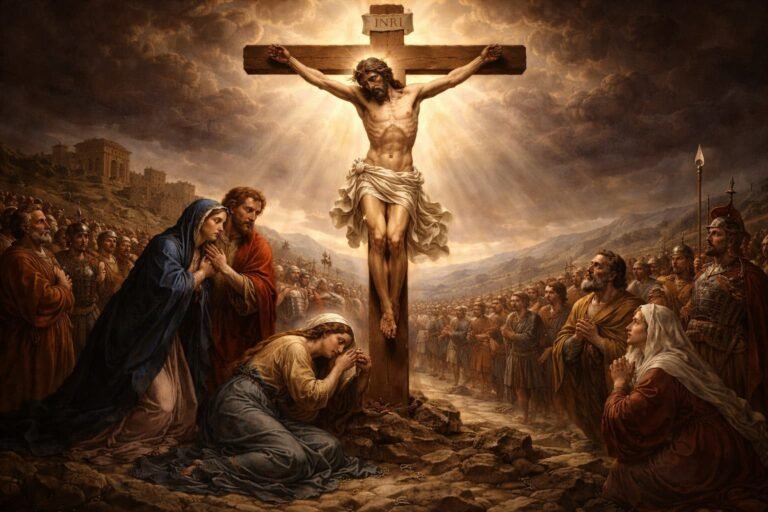
To understand the significance of the resurrection, it is important first to consider what happened before it. Jesus of Nazareth was publicly executed by crucifixion under Roman authority. Crucifixion was one of the most brutal and humiliating forms of execution used in the ancient world.
Several key historical facts are widely recognised by historians and scholars:
- Jesus was crucified.
- He died on the cross.
- His body was placed in a tomb.
- The tomb was later discovered empty.
These points form the starting place for examining the resurrection.
The Crucifixion Was Public and Verified
Roman executions were carried out carefully and deliberately. Roman soldiers were professionals trained to ensure that victims actually died. In the case of Jesus, the Gospel accounts record that soldiers confirmed his death before removing his body from the cross.
This is important because it eliminates the idea that Jesus merely fainted or survived the crucifixion. The physical suffering of crucifixion, combined with the spear wound described in the Gospel of John, makes survival virtually impossible.
The Burial of Jesus
After the crucifixion, a respected member of the Jewish council named Joseph of Arimathea requested permission from the Roman governor to bury Jesus. This detail is significant because it establishes that Jesus was buried in a known location rather than in an anonymous grave.
The burial took place quickly before the Sabbath began. Jesus was wrapped in burial cloths and placed in a rock cut tomb. A large stone was rolled across the entrance.
The tomb was not hidden or secret. Both followers and opponents of Jesus knew where it was located.
The Discovery of the Empty Tomb
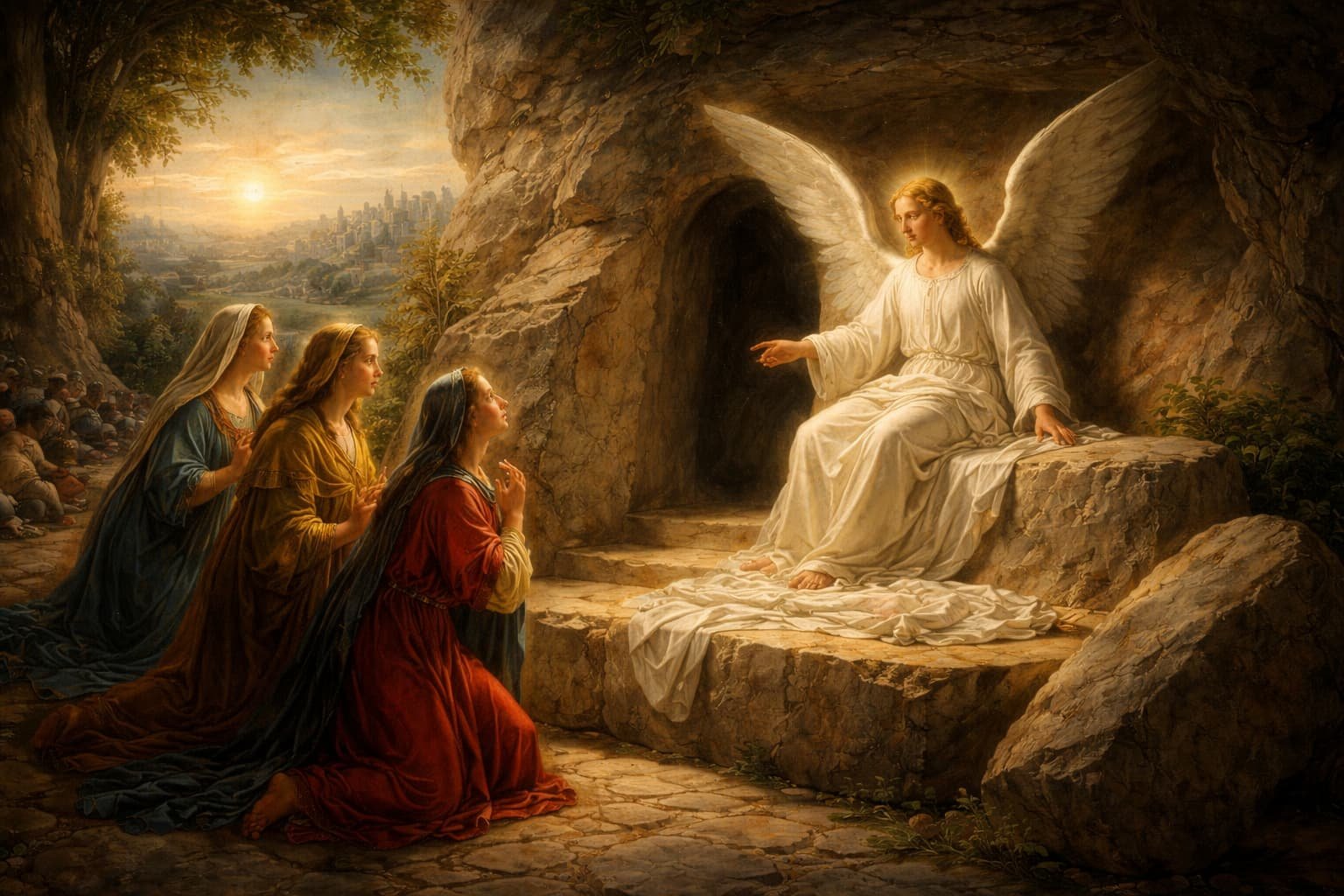
Early on the first day of the week, several women who had followed Jesus came to the tomb to complete burial preparations. What they found was unexpected and shocking. The stone had been rolled away and the tomb was empty.
This discovery is recorded in multiple Gospel accounts and forms the starting point of the resurrection story.
Why the Testimony of Women Matters
One remarkable feature of the Gospel accounts is that women are presented as the first witnesses of the empty tomb. In the cultural context of the ancient world, the testimony of women was often undervalued in legal settings.
If the story had been invented, it is highly unlikely that the writers would have chosen women as the primary witnesses. The inclusion of this detail strongly suggests that the writers were recording what actually happened rather than constructing a persuasive narrative.
The Stone Was Rolled Away
The stone covering the entrance of the tomb was extremely heavy and designed to secure the burial place. The fact that it was moved indicates that something dramatic occurred.
The empty tomb immediately created confusion and concern among both the followers of Jesus and the authorities who had ordered his execution.
Why the Empty Tomb Matters
The empty tomb is not merely an interesting detail in the resurrection narrative. It carries deep theological and historical significance.
Several key reasons explain why the empty tomb is central to the Christian faith.
1. It Demonstrates Victory Over Death
Death is the most universal human experience. Every culture and every generation has faced the reality of mortality.
The resurrection of Jesus proclaims that death does not have the final word.
According to the New Testament, Jesus did not merely return to life temporarily. He rose with a transformed and glorified body that would never die again.
This victory over death provides hope for believers who trust in Christ.
2. It Confirms the Identity of Jesus
During his ministry, Jesus made extraordinary claims about himself. He spoke about having authority to forgive sins and referred to God as his Father in a unique way.
Most importantly, Jesus predicted that he would rise from the dead.
If the resurrection had not occurred, these claims would have been discredited. But the empty tomb confirms that Jesus spoke the truth about who he is.
The resurrection vindicates Jesus and reveals him as the Son of God.
3. It Validates the Message of the Gospel
The central message of the Gospel is that God offers forgiveness and new life through Jesus Christ.
The resurrection confirms that this message is true.
Without the resurrection, the cross would appear to be a tragic defeat. But the empty tomb reveals that the cross was part of God’s plan for redemption.
Through his death and resurrection, Jesus dealt with the problem of sin and opened the way for reconciliation with God.
Common Alternative Explanations and Their Weaknesses
Over the centuries, various alternative explanations have been proposed to explain the empty tomb. However, each of these theories faces serious difficulties.
The Stolen Body Theory
One suggestion is that the disciples stole the body of Jesus and later claimed that he had risen.
This theory encounters several major problems:
• The disciples were frightened and scattered after the crucifixion
• They had no clear expectation of a resurrection
• Many of them later suffered persecution and death for their message
It is extremely unlikely that people would willingly suffer and die for something they knew to be a deliberate deception.
The Wrong Tomb Theory
Another proposal suggests that the women simply went to the wrong tomb.
However, this explanation fails to account for the fact that both the followers of Jesus and the authorities knew the correct location of the tomb. If the wrong tomb had been identified, the authorities could easily have corrected the mistake by producing the body.
The Hallucination Theory
Some have argued that the resurrection appearances were hallucinations experienced by grieving followers.
Yet hallucinations are individual experiences and do not occur simultaneously to large groups of people. The New Testament records multiple appearances of Jesus to individuals and groups over a period of time.
In addition, hallucinations cannot explain the empty tomb itself.
The Transformation of the Disciples
One of the most powerful pieces of evidence connected to the resurrection is the dramatic transformation of the disciples.
Before the resurrection, the disciples were fearful and discouraged. After the resurrection, they became bold witnesses who proclaimed the message of Jesus throughout the world.
This transformation is difficult to explain unless something extraordinary occurred that convinced them Jesus had truly risen.
From Fear to Courage
Immediately after the crucifixion, the disciples were hiding out of fear. Yet within a short time they were publicly proclaiming the resurrection in the very city where Jesus had been executed.
Their message was simple and direct: Jesus is alive.
The Cost of Their Witness
Many of the early followers of Jesus faced persecution, imprisonment, and even death because of their faith. They maintained their testimony even under severe pressure.
This steadfast commitment strongly suggests that they were convinced of the truth of the resurrection.
The Resurrection and the Problem of Sin
The resurrection is not only about life after death. It is deeply connected to the problem of sin.
According to the Bible, sin separates humanity from God. It damages relationships, distorts human nature, and leads to spiritual death.
The death of Jesus on the cross addressed the penalty of sin. The resurrection demonstrates that this sacrifice was accepted and effective.
Forgiveness and New Life
Through the resurrection, believers receive both forgiveness and new spiritual life.
The New Testament describes this transformation in several ways:
• being born again
• becoming a new creation
• receiving eternal life
These expressions point to the reality that faith in Christ brings a profound inner change.
A Living Saviour
Because Jesus rose from the dead, Christians do not merely follow the teachings of a historical figure. They follow a living Saviour who continues to guide and transform their lives.
Prayer, worship, and spiritual growth are rooted in a living relationship with Christ.
The Resurrection and the Future Hope of Believers
The resurrection also shapes the Christian understanding of the future.
It offers hope not only for spiritual renewal in the present but also for physical resurrection in the future.
The Promise of Resurrection
The New Testament teaches that the resurrection of Jesus is the first stage of a greater resurrection that will one day include all who belong to him.
Just as Christ was raised, believers will also be raised.
This promise transforms how Christians view death. Death becomes a doorway rather than a final destination.
The Renewal of Creation
The resurrection also points forward to the restoration of creation itself.
The Bible describes a future in which God will renew the world, remove suffering and injustice, and establish perfect peace.
The empty tomb is therefore not only about the past. It is also about the future that God has promised.
Why the Resurrection Still Matters Today
In a modern world shaped by technology, science, and rapid change, the message of the resurrection remains profoundly relevant.
The resurrection speaks to some of the deepest questions that people continue to ask:
• Is death the end of our existence?
• Is forgiveness truly possible?
• Can human lives be transformed?
• Is there hope beyond suffering?
The resurrection answers these questions with a message of hope and renewal.
Personal Transformation
Across the centuries, countless people have testified that faith in Christ has transformed their lives.
Stories of forgiveness, freedom from destructive habits, restored relationships, and renewed purpose continue to appear in every generation.
These experiences reflect the ongoing power of the risen Christ.
A Message for the Whole World
The message of the resurrection is not limited to one nation or culture. From the beginning, the Gospel has been proclaimed to people from every background.
Today millions of believers across the world continue to celebrate the resurrection as the centre of their faith.
Practical Implications of the Resurrection
Understanding the resurrection is not only about theology. It also has practical implications for everyday life.
1. Freedom From Fear
Because Christ has conquered death, believers do not need to live in constant fear of the future.
Even in difficult circumstances, the resurrection provides a foundation for courage and hope.
2. A New Way of Living
The resurrection calls believers to live transformed lives marked by love, humility, and faithfulness.
It encourages a life centred on serving God and caring for others.
3. Confidence in God’s Promises
The resurrection confirms that God keeps his promises.
If God fulfilled the promise of the resurrection, believers can trust him with every other promise recorded in Scripture.
Conclusion: The Empty Tomb and the Invitation of the Gospel
The empty tomb remains one of the most powerful symbols in human history. It represents the moment when death was defeated and hope was restored.
The resurrection of Jesus Christ confirms that God has acted decisively in history to bring salvation to humanity.
Because the tomb was empty, the message of the Gospel continues to be proclaimed with confidence.
Jesus Christ is alive. His resurrection offers forgiveness, transformation, and eternal hope to all who trust in him.